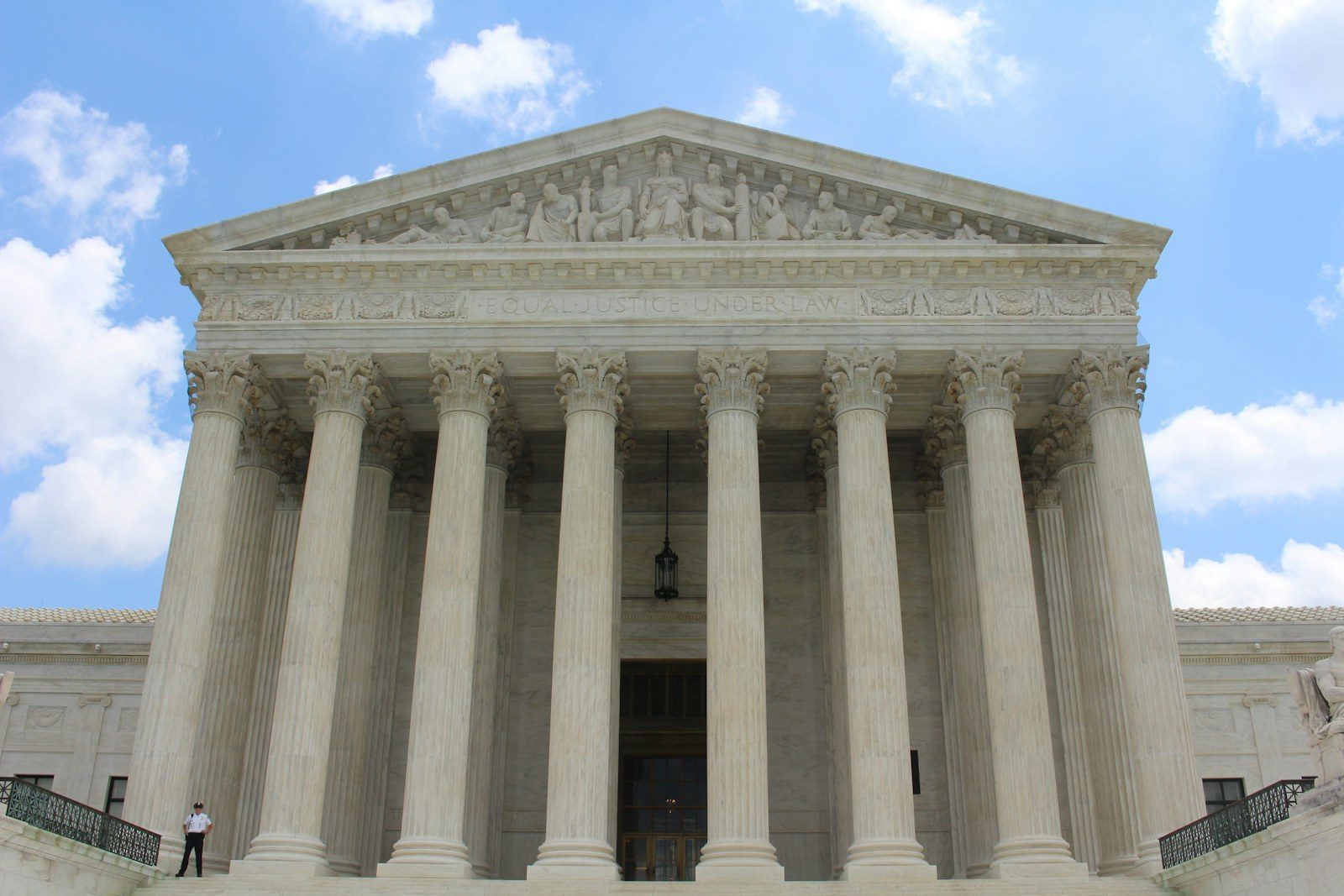
In connection with Kalamata's inclusion among the European Union's 100 climate-neutral and smart cities, it is useful to refer to the Bauhaus.
The Bauhaus was an art and architecture school that operated during the interwar period in Germany. It became famous because it proposed the creation of a new building for the future. It exerted a significant influence on trends in art and architecture in Western Europe.
The New European Bauhaus is an emerging creative movement in which everyone can participate. It is a platform for experimentation and networking that promotes cooperation among people who want to design future homes and future cities. It connects people in science and technology with people in art and culture.
European Commission President Ursula von der Leyen says: "With the new Bauhaus, we want Europe's common vision to be not only economic. We want it to reach the hearts of Europeans. We want to reconcile our way of life with nature, because only then will we achieve climate neutrality by 2050. And we will do this only if we give the green transition a cultural dimension."
Climate change is a global problem that requires a global response. Since there is no world government to address global problems, the cooperation and agreement of all countries on the planet are needed. Tackling climate change is a historic challenge. Europe can be at the forefront.
The New European Bauhaus aims to raise public awareness and provide solutions to the huge problem created by the built environment, which is responsible for 40% of carbon dioxide emissions. Therefore, buildings must be simple, functional, aesthetic, and ecological. The same applies to cities. Buildings and cities that serve our needs and make life more beautiful.
The Bauhaus is part of the European Green Deal, that is, a climate-neutral Europe. It aims to reshape European cities in line with green development.
European citizens are invited to take part in the design and redesign of their cities, in line with the principles of sustainable development. To imagine and design the cities of the future. To create cities that will not pollute, so that they and their children can live better.
This is about jointly finding innovative solutions to complex building and city problems. Solutions that lead to the creation of new homes and new cities that do not pollute the environment.
The Bauhaus develops in three phases: co-design, implementation, and dissemination. More specifically:
A) Co-design. Ideas are gathered from individuals and institutions. Then distinguished individuals and professionals, representative of the community, discuss the various proposals and select the best ones.
B) Implementation. The best proposals are implemented. Their implementation is monitored so that necessary adjustments can be made and useful practices adopted.
C) Dissemination. Good ideas that also prove successful in implementation will be spread throughout Europe. There will be an exchange of ideas, knowledge, and experience from their application.
The people of Messenia can be at the forefront of the New European Bauhaus. They are called upon to design and redesign their cities and villages. Everyone is invited to take part in this planning: urban planners, spatial planners, architects, sociologists, engineers, artists, craftsmen, technologists, programmers, agronomists, farmers, construction workers, gardeners, citizens.
What is needed are new ideas, new materials, new products so that we can design buildings, villages, and cities that offer a better life while also promoting the circular economy and sustainability. Sometimes the simplest idea can provide a very important solution.
The municipalities of Messinia can become the driving engine. The people of Messinia can imagine and create their future. And of course, the future is today.
Paulos Marantos
marantosp@gmail.com


Comments
Share your thoughts about this article.
No comments yet. Be the first to comment.
Submit a comment