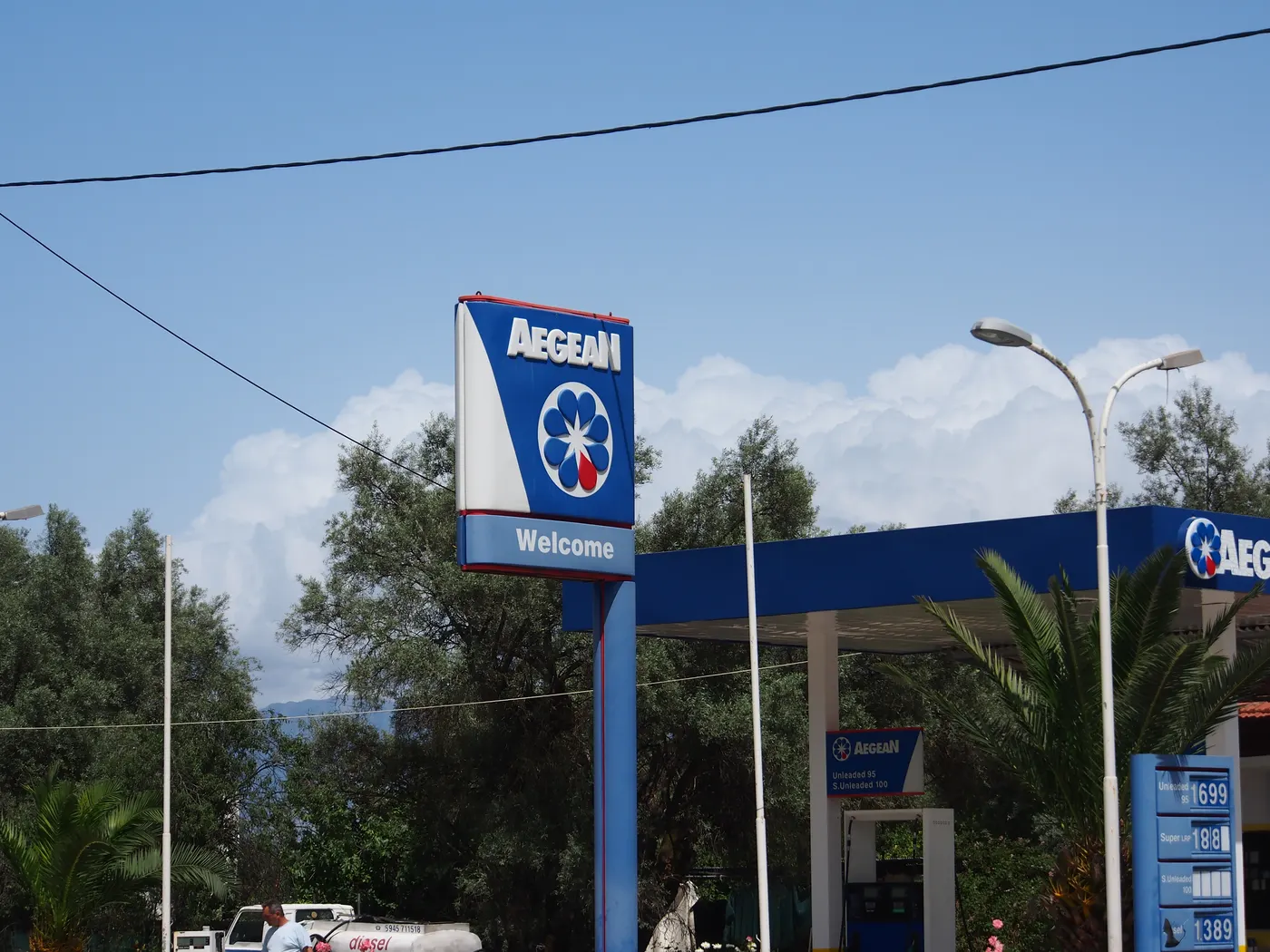
Fuel Pass now belongs mainly to the memory of earlier emergency measures
Many citizens still ask every spring whether Fuel Pass will reopen, because the measure became strongly associated with the period of energy pressure and high prices. In 2026, however, the practical starting point is different: an older temporary support scheme is not the same thing as the benefits that are active, structured, and administratively accessible today.
This distinction matters. If someone keeps waiting for a previous emergency platform to return automatically, they may lose time while other benefits are already available and require concrete action. The right question is no longer whether we remember Fuel Pass, but whether we have checked in time what is currently open for heating, housing, minimum income support, or other benefit lines.
Where citizens should look first
The current reality requires a calmer, category-by-category review. In practice, people often confuse one-off support measures with permanent or recurring benefits. That leads to two mistakes: either no application is made because everyone waits for something that may never return, or rushed applications are submitted without a clear understanding of documents, criteria, and deadlines.
- If the main pressure comes from heating costs, the first check is not Fuel Pass but the heating allowance and its current conditions.
- If the household is struggling with rent, attention should move to the Housing Benefit.
- If the issue is broader inability to meet basic needs, the Minimum Guaranteed Income must be reviewed.
- If there are children in the household, child-related support should not be left outside the review.
The mistake of relying on an old measure
Fuel Pass became the symbol of a very specific period. That now creates a false expectation that every support measure will reappear in the same way through one easy platform. The administrative reality is different. Active benefits rest on distinct legal bases, different criteria, and separate obligations for the applicant.
That is why citizens who want to protect their daily life need to move away from the logic of an old emergency voucher and toward an organized rights check. This is not theoretical. It is the difference between waiting in vain and catching an active deadline on time.
What proper administrative review means
A proper review does not stop at asking whether a benefit exists. It means checking whether the applicant's administrative picture is clean: tax return, household data, main residence, payment account, contact details, and any special data required by the relevant platform. In many cases, the problem is not only the substantive criterion but also a mismatch in the registered data.
In practical terms, the citizen should prepare as if assembling a file, not as if answering a quick quiz. The clearer the picture is from the start, the lower the risk of delays, pending statuses, or rejection.
Which benefit has priority
There is no single answer for everyone. If the main burden is heating fuel, priority lies elsewhere. If the main burden is monthly rent, the Housing Benefit should be checked first. If the household difficulty is more general and concerns basic subsistence, the priority changes again. This distinction matters because it keeps citizens from opening ten tabs without a plan.
A practical order of actions
- Check which benefits are active and actually match your problem.
- Read the official source, not only headlines or old posts.
- Gather the core documents and data in advance.
- Verify whether a fresh application, renewal, or correction is required.
- If a pending status or rejection appears, read the exact reason before taking the next step.
The real conclusion for 2026
Fuel Pass still occupies public discussion, but citizens should not keep their attention there if they want a real result today. The practical value lies in checking the benefits that are actually active and moving early with clear data. Anyone who remains fixed on the memory of an old measure risks missing the support that can help now.
The safest legal and practical posture is simple: less expectation from older emergency schemes, more attention to the live administrative routes that are operating today.


Comments
Share your thoughts about this article.
No comments yet. Be the first to comment.
Submit a comment