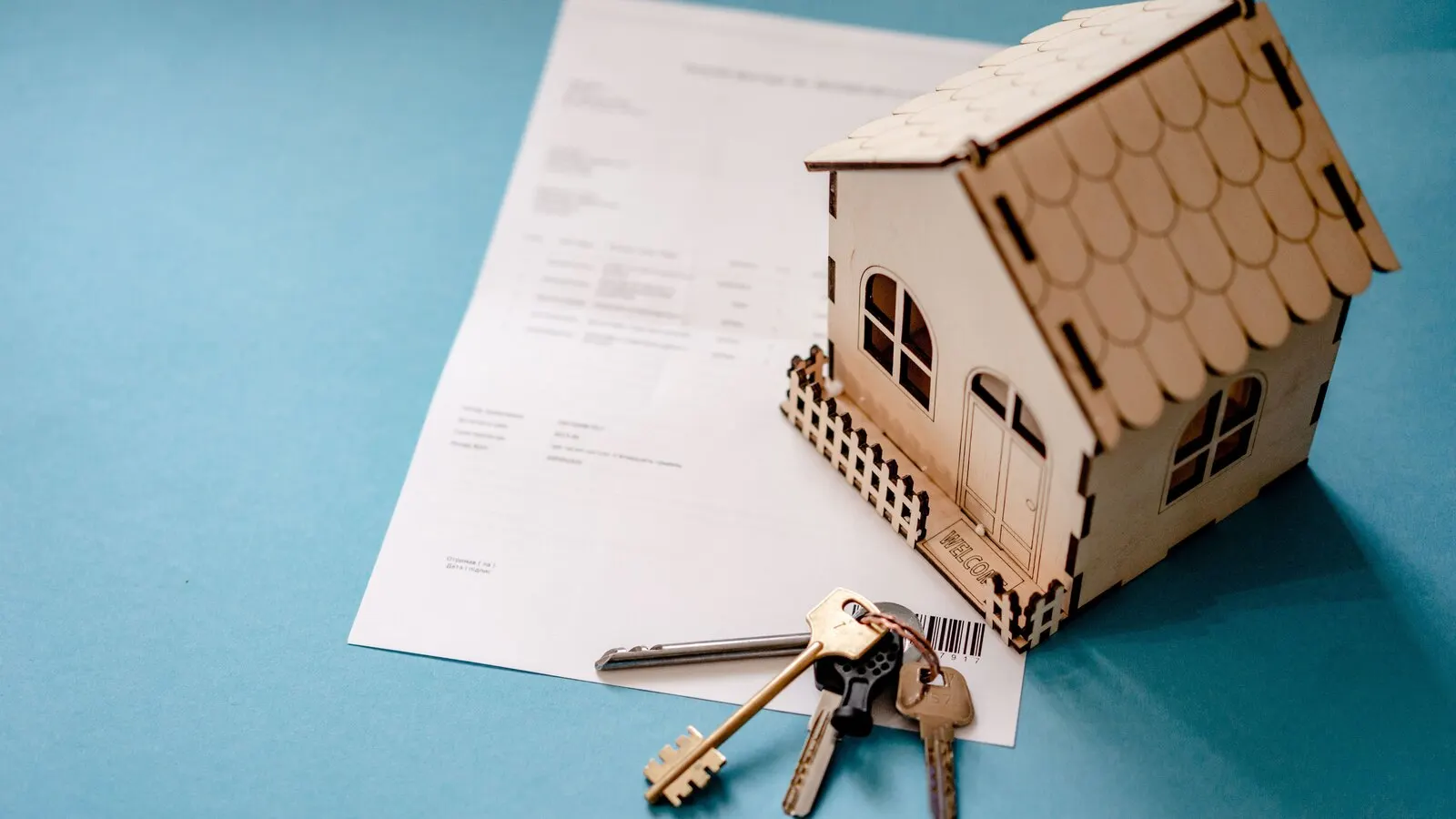
A residential tenancy looks like the simplest agreement in the world: you give me the home, and I give you the rent. Yet it is the agreement that prompts the most questions - usually beginning with, 'Can they really do that to me?' Most of the time, the answer is neither what the tenant fears nor what the landlord assumes.
So let us take the most common questions one by one. No legalese: just the way we would explain them to a friend over coffee.
For tenants
'Can the landlord raise my rent whenever they want?'
Not whenever they want, and not by any amount. Rent review is governed by the tenancy agreement: if the contract provides for an annual increase, such as one linked to the consumer price index or a fixed percentage, that provision applies. If the agreement says nothing, the landlord cannot impose a unilateral increase during its term. The landlord may propose one, but agreement is required. In recent years, the legislature has also periodically introduced caps on annual residential rent increases, so it is worth checking the rules in force for the year concerned.
'Will I ever get my deposit back?'
The deposit is neither a gift to the landlord nor an 'advance payment' of the final month's rent. It is security that must be returned at the end of the tenancy, provided that you have paid everything due and return the property without damage beyond normal wear and tear. The landlord may retain an amount only for actual damage or unpaid sums - not simply because 'that is how it is done'. And no, you cannot refuse to pay the final month's rent by saying, 'Keep the deposit'; they are two separate matters.
'The landlord wants me out - can they just evict me?'
A residential tenancy has a minimum statutory term of three years, even if the agreement specifies a shorter period. During that time, the landlord cannot simply make you leave if you are meeting your obligations. Eviction is available mainly where there is default, such as non-payment of rent, or a serious breach of the terms - and it must always follow the lawful procedure, not a change of locks or disconnection of electricity. Those acts are themselves unlawful on the landlord's part.
'The water heater has broken. Who pays?'
The rule is that the landlord must deliver and maintain the property in a condition suitable for habitation. The landlord bears the cost of substantial defects not caused by misuse, such as heating, plumbing or roof problems. Minor repairs arising from ordinary use are generally the tenant's responsibility. The dividing line is not always obvious, so good practice is to notify the landlord in writing and retain receipts and other evidence.
For landlords
'The tenant is not paying. How long will this take?'
The good news for landlords is that non-payment does not always require lengthy litigation. The law provides for an order for recovery of leased property (diatagi apodosis misthioy) - an expedited procedure conducted through a lawyer, under which the landlord can obtain an enforceable title for recovery of the property and the outstanding rent without an ordinary full trial. It requires a written tenancy and compliance with the procedural steps, including formal demand and time limits. It is the landlord's most important remedy, provided it is used correctly and promptly.
'May I enter the home to inspect it?'
For as long as the tenancy continues, the leased property is the tenant's home. You may not enter without the tenant's consent, even for an 'inspection'. Visits, for example to carry out repairs or show the property to a prospective new tenant near the end of the term, must be arranged in advance and take place at a reasonable time. Unauthorised entry may even give rise to criminal liability.
In recent years, public policy has used tax incentives to move properties from short-term to long-term letting and ease pressure on the primary-residence market. If you are considering putting a property on the long-term rental market, ask your accountant about the incentives in force at the time, such as income exemptions for homes returning to long-term use.
For both parties
Most tenancy disputes reach court not because one side was 'wrong from the outset', but because nothing was put in writing. A little prevention can spare both parties considerable trouble:
- Use a written tenancy agreement and register it electronically with the Independent Authority for Public Revenue (AADE; AADE). Without it, both parties lose important legal tools.
- Prepare a handover record with photographs when the tenant moves in. This clarifies what counts as damage and what does not.
- Make payments through a method that leaves a banking record, rather than cash handed over informally.
- Put every significant communication - a repair request, notice to leave or formal demand - in writing.
- Before signing, read the provisions on term, rent review and deposit. That is where future disagreements usually begin.
The best lawyer in a tenancy is the document you got right at the outset.
Frequently asked questions
Can I leave before the agreement expires?
A tenant may leave, but must comply with the contract's terms on early termination, which usually require written notice within a specified period. If the agreement contains no such provision, early departure may give rise to a duty to compensate the landlord. An amicable agreement with the landlord is always the best solution.
The landlord sold the flat. Do I lose my home?
As a rule, a tenancy with a legally certain date 'follows' the property: the new owner takes the seller's place and is bound by the existing tenancy for its statutory term. Always check the terms and dating of your tenancy agreement.
May I rent the home to someone else through a sublease?
Only if the tenancy agreement expressly permits it or the landlord consents. An unauthorised sublease may be grounds for terminating the tenancy.
Who pays the building charges and ENFIA property tax?
Day-to-day shared building charges are usually borne by the tenant, while the Single Property Tax (ENFIA) and costs associated with ownership are borne by the landlord. Exceptional expenses, such as replacing the central-heating burner or carrying out major building repairs, are generally the landlord's responsibility.
These answers are general and for information only; every tenancy has its own terms and particular circumstances. Before taking action, including termination, seeking an order for recovery of possession or claiming a deposit, consult a lawyer.
Sources and verification
Before publication, this article was checked against official or primary sources. Figures and thresholds may change through later legislation or circulars.



Comments
Share your thoughts about this article.
No comments yet. Be the first to comment.
Submit a comment