Archive note: This text comes from the old archive of Nomika Epilekta and is preserved with care for historical and informational reading.
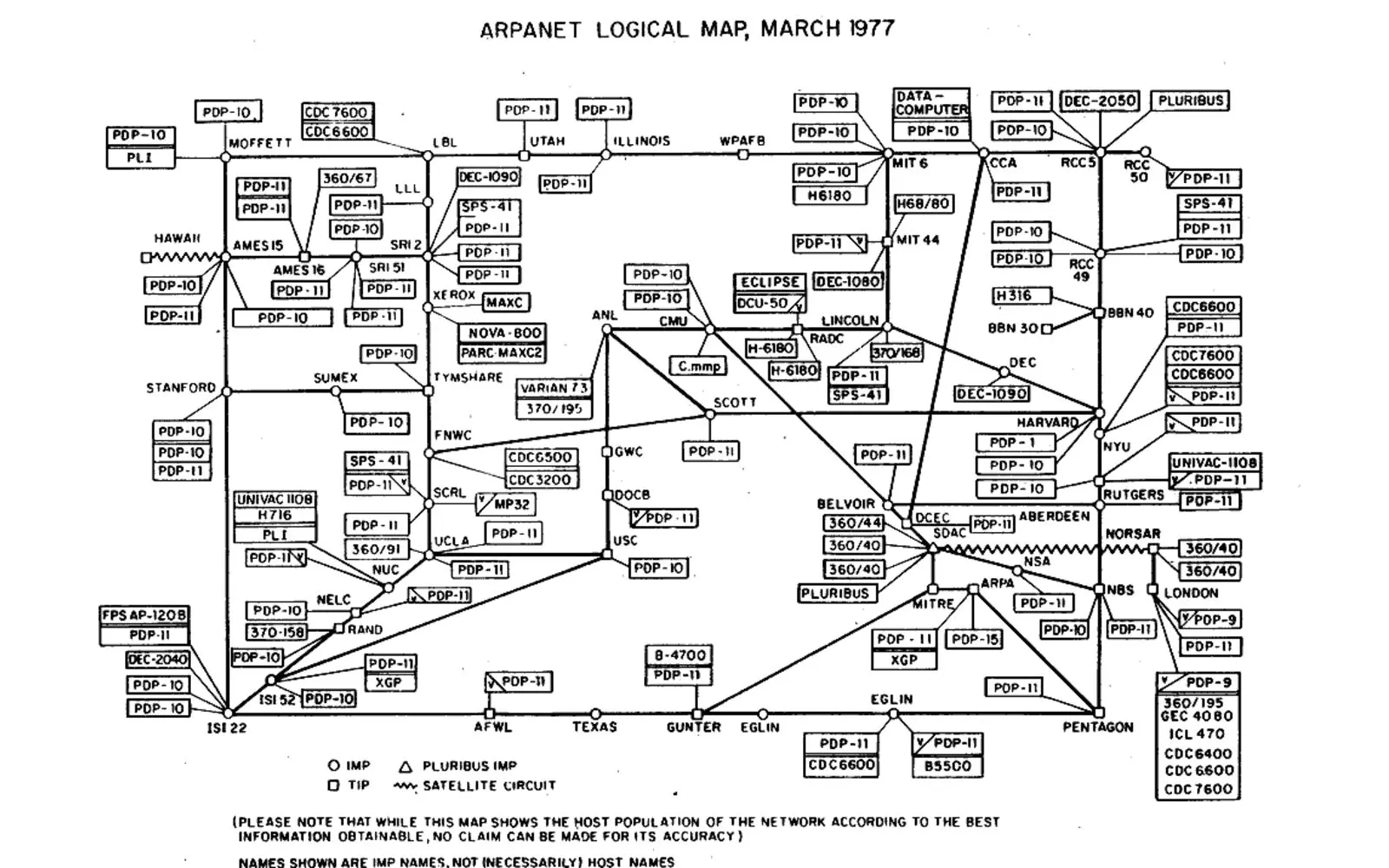
The internet in society - benefits and risks The internet has firmly entered our daily life, since with the press of a button you can be transported to any point in the world you wish, be informed about everything immediately and in record time, and also come into contact with people who are hundreds of thousands of kilometers away... Few people know, however, that its first use was purely for defense purposes in the event of nuclear war, and that it operated in America. It became widely known in the 1990s, when it began to be used cautiously on a global level and, by extension, in our country as well, only to manage, twenty years later, to become necessary in every area of our everyday life. Even in Greece it has become an integral part of our work, while on a personal level we use it for information, for online shopping, and even for our personal entertainment. An endless world full of inexhaustible information unfolds before us, a world without borders, without limits, but also without precautions. What price, then, does this vast source of information carry? First on the list is the exposure of our personal life to a world of directed information, causing a lack of personal opinion especially among young users and, by extension, the alienation of human relationships and isolation from our social environment. It is a fact that it is easier for us to open MSN or Facebook to talk with a friend than to call that friend on the telephone, or even better, to go out for a walk together. Another serious consequence of the extensive use of the internet is the alteration of the Greek language. It is a fact that nine out of ten users use the familiar Greeklish in their conversations, with the result that our rich language is slowly being lost. In every case it would be preferable to write in Greek, since we speak Greek, even if we make mistakes in spelling. In the list of negative effects from long hours of internet use, we could not omit the emotional and psychological problems that appear. In recent years, many scientific studies have concluded that excessive internet use negatively affects all the necessary components of basic emotional adequacy, and this is true if we consider that we spend endless hours in front of a screen, inside a virtual reality. There are many cases of users who have shown symptoms of epilepsy, chronic depression, antisocial behavior, problems of expression and movement, and even anorexia. Last on the list, although entirely important, is electronic crime. Recently we hear every day about cases of electronic crime even in our country [nomika epilekta: "phishing and pharming"]. Cases of deceiving minors for the purpose of child pornography [nomika epilekta: "The possession of child pornography in Europe" and "Child pornography and legislation"], suicide attempts, financial fraud and many other incidents sound the alarm, showing that in every achievement of technology there is always a dark side whose purpose is to remind us of rational use. This points to the lack of education from the family, which allows small children without judgment to use the internet as a toy, without supervision and precautions. The state, for its part, created the Cyber Crime Prosecution Service with the aim of reducing incidents, but when we speak about an enormous source of searching, information and communication such as the internet, no precaution is enough. As Aristotle very wisely said, "science without virtue appears to be cunning, not wisdom." For this reason it is necessary to teach the younger generations the proper and safe use of the internet. Because, if nothing else, we safeguard the future citizens of this country and our civilization itself... John Pap - jonhs22@hotmail.com



Comments
Share your thoughts about this article.
No comments yet. Be the first to comment.
Submit a comment