Archive note: This text comes from the old archive of Nomika Epilekta and is preserved with care for historical and informational reading.
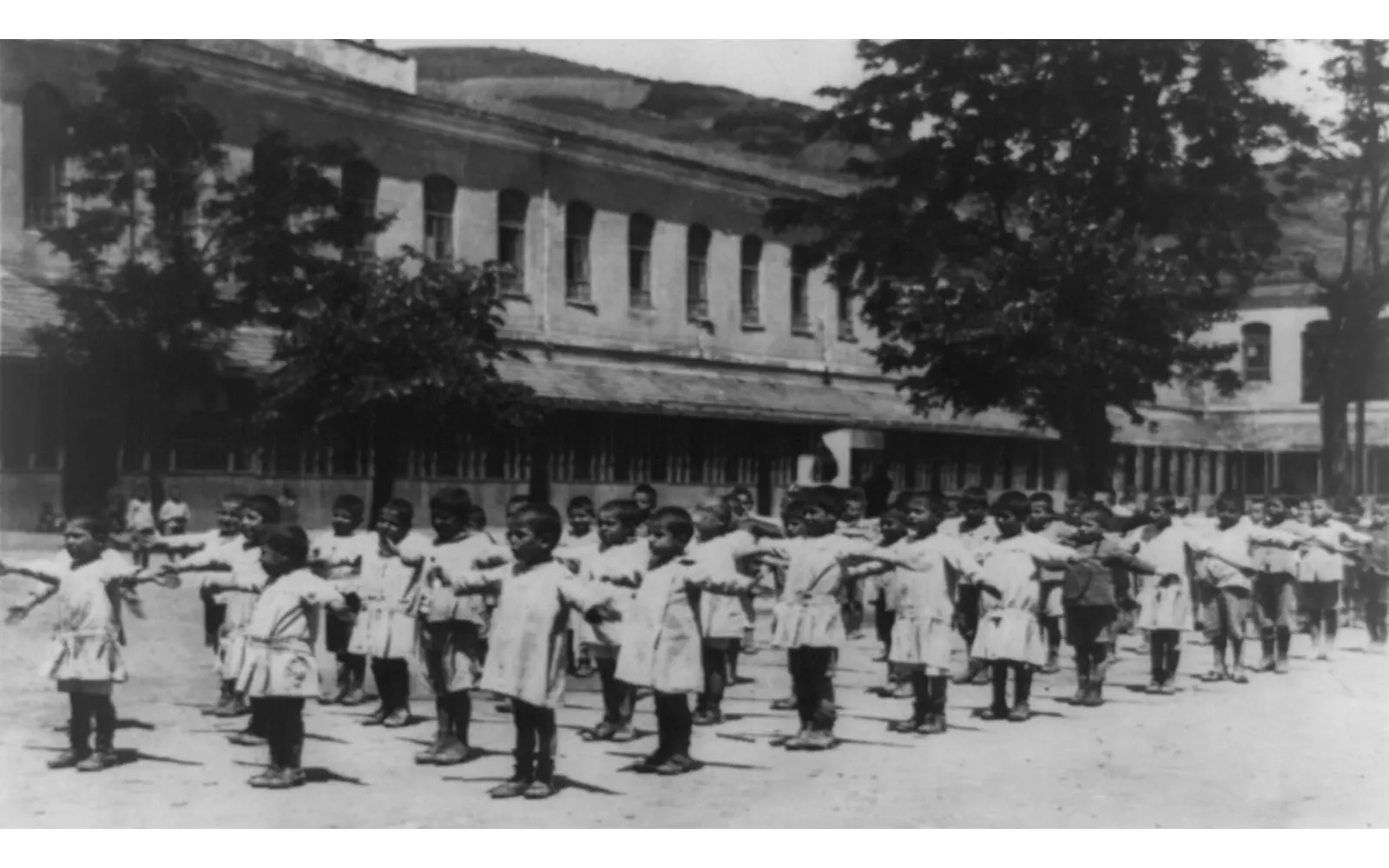
“Asnif, uprooted from Armenia to Greece”, by Omiros Mavridis, published by “MALLIARIS Paideia”. It is a true historical biography narrated by the author in a novelistic manner that gives pleasure. The novel-chronicle is pleasant to read although it deals with tragic subjects which, however, must not fade from memory because they refer to one of the countless genocides of the Turks against other historic peoples and, in this case, against the Armenians, who were decimated by hundreds, thousands and millions, defenseless, in execution of a specific criminal official plan of extermination (holocaust - genocide). It is not only a matter of ethnic cleansings (according to the modern term), but of the systematic extermination of an ancient people unleashed by the Turkish state and the conglomerate that constitutes the so-called Turkish people - mob. Books such as the one recommended are of particular interest and great value because they prevent, on the one hand, such imprescriptible and unforgivable crimes against humanity from fading from historical memory and, on the other hand, because the Turkish murderers of the Armenian and other peoples were not punished as other peoples who committed crimes were punished; for example, with the Nuremberg trials (and not only), German war criminals paid a heavy price for the systematic extermination of another historic and active people, the Jews, and, together with them, the entire German people. A similar price was paid by the Japanese war criminals and the whole of Japan, which was humiliated and disciplined. The author, a doctor of philosophy and professor, narrates with liveliness and vividness the adventures of his heroine (who grew up in today’s Syria, was forced to be uprooted from her homeland because of the persecutions of her nation, and moved as far as Alexandroupoli, where she lived until the end of her life) and, together with these adventures, narrates the customs and traditions and, above all, the exterminating persecutions and sufferings of the entire Armenian people who also, like other peoples, with the exception of the persistent Jews, seems to be losing its memory. And the loss of historical memory does not mean only the erasure of a people. It means the risk of repetition of the same crimes and, worse, the non-condemnation of the criminals and their descendants, that is, today’s Turks, who (with some not insignificant exceptions) do not appear, at least as an official state, to be concerned about what their fathers did against civilization, humanity and other peoples, such as the Armenians. In the absence of the required harsh and just punishment, this particular people of unrepentant criminals repeats these acts at every “opportunity”. Instead of inflaming fanaticism and calling for revenge, as one might expect, the book projects the goods of peace and fraternization among peoples. The heroine’s words are characteristic as, in deep old age, she prepares to depart from life, in Alexandroupoli, in 2007. Her only wish is, “when she is up there”, to be able to send, now and then, some angel to earth, to bring the fanatics to order, to teach incorrigible people what normally each person carries within, but forgets. The self-evident: To pull down now and then a border or a barbed-wire fence, to show that it is worth suffering for the prevalence of good, to establish sincere justice everywhere, to drive the eagles of victory far away and to stroke the peaceful wings of doves. To help peoples understand that it is not so tragic to make mistakes. What is tragic is to insist that they are infallible and never recognize their errors and weaknesses. And we add: Above all, it is nightmarish for crimes, and especially genocides and holocausts, to remain unpunished…
Emmanouil Papadakis



Comments
Share your thoughts about this article.
No comments yet. Be the first to comment.
Submit a comment