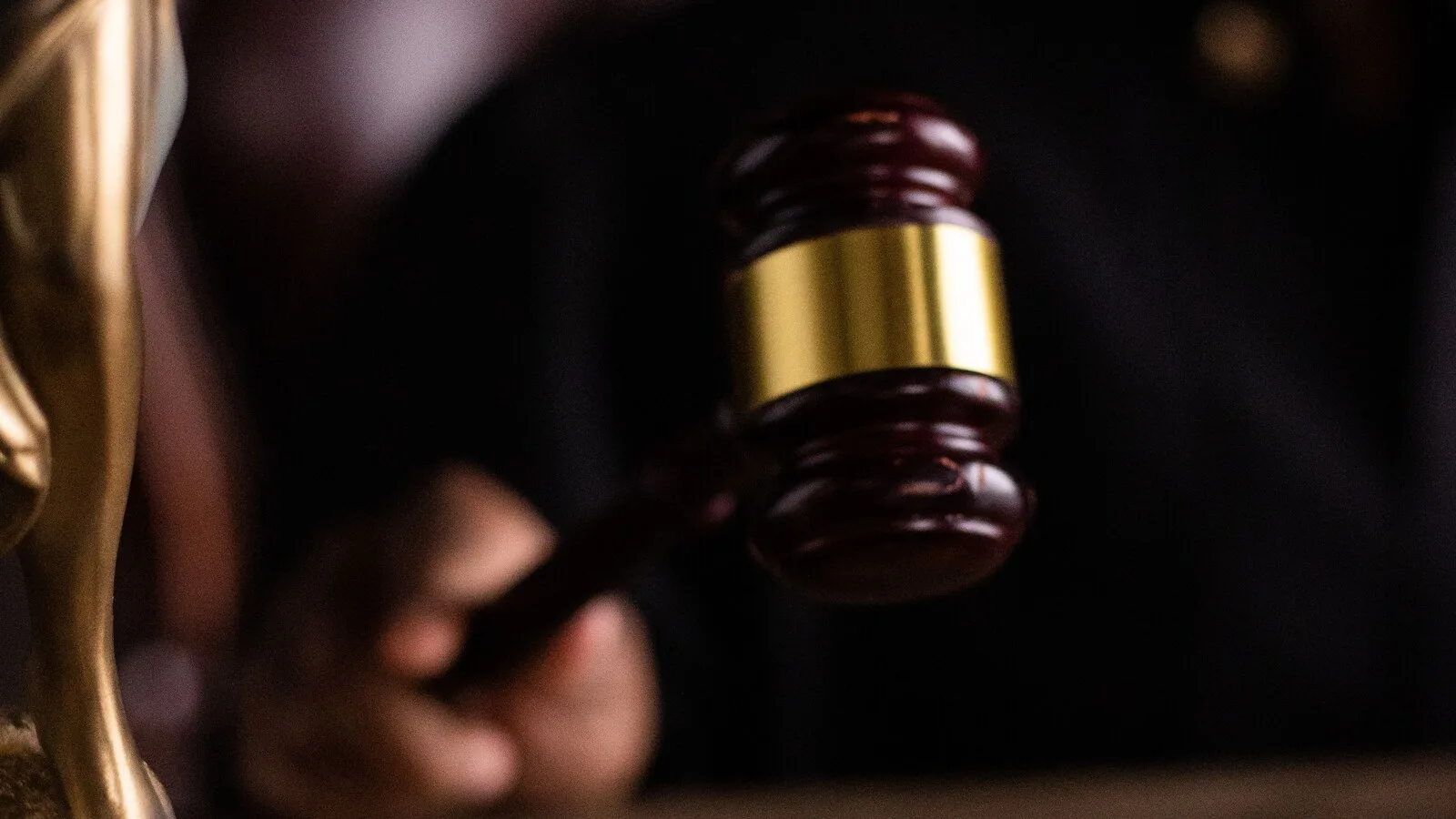
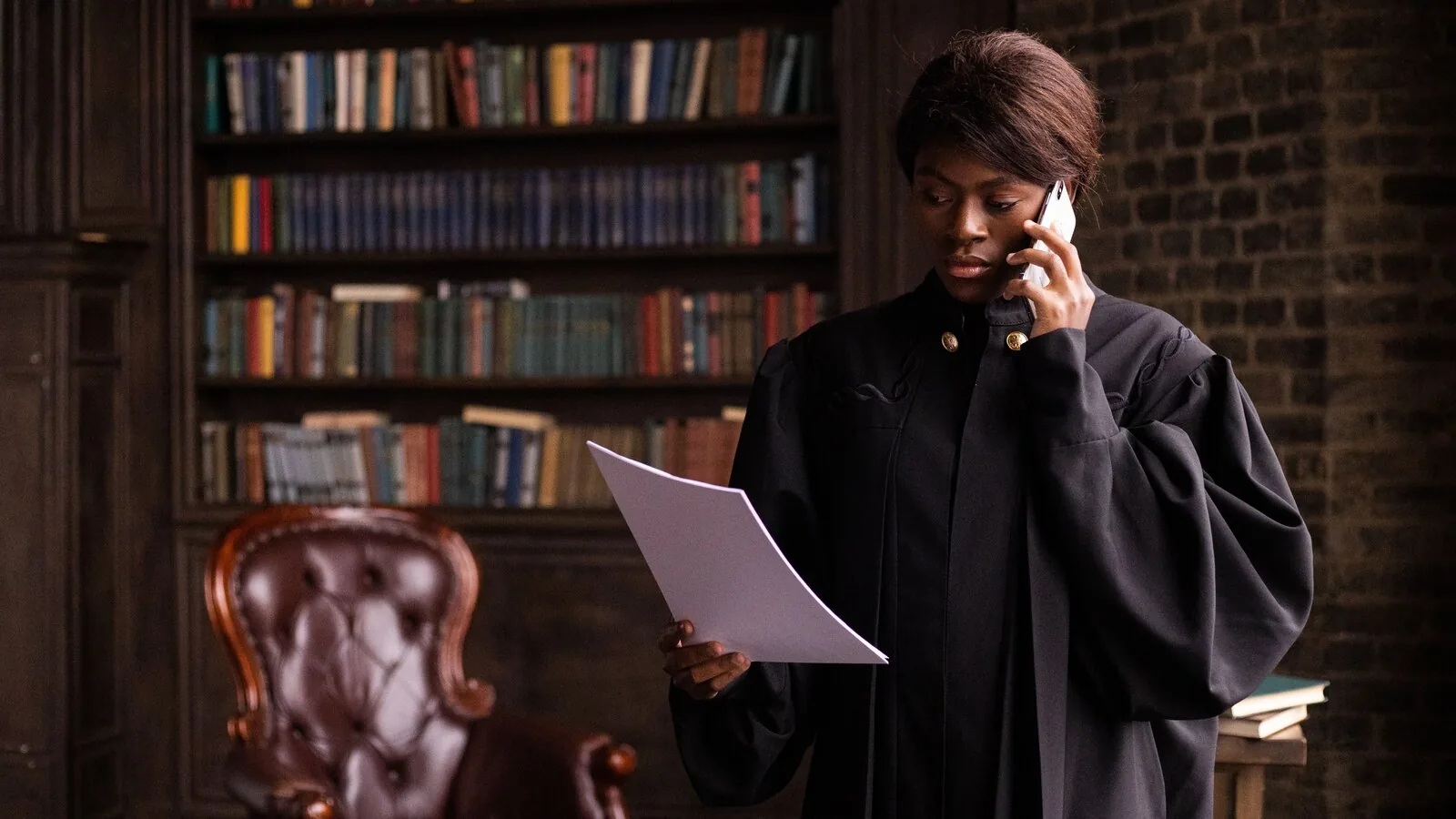
Anyone who regularly follows trials, whether because of work or personal interest, often wonders whether judicial power truly expresses the sense of justice that is necessary for the healthy functioning of society.
There is no doubt that many judges faithfully reflect a logic of authority. There is, however, serious doubt as to whether all of them also possess fair judgment. Even when no other state power functions properly, the citizen needs to believe that judges remain the final hope for justice. If judges behave like everyone else, hope disappears.
This is not a reference to para-judicial corruption, which one wishes to believe is the exception rather than the rule. The concern is the daily exercise of the judicial function: the way trials are conducted, a way that often appears troubling and not always at the level expected in European legal systems.
This space will regularly host observations on such phenomena. Examples include the conduct of hearings, the examination of witnesses and parties, and the content of judgments that sometimes show a narrow bureaucratic attachment to the letter of minor provisions. At times, judgments seem governed by an excessively harsh spirit, with a clear preference for deprivation of liberty over alternative sanctions that the legislature itself provides.
What is missing is the spirit of leniency, the interpretation of law within a broader legal, humanistic and even philosophical frame, and a deeper penetration into the real issue before the court. One might compare it with the Law of Equity in the Anglo-Saxon tradition, or with a Solomonic justice infused with wisdom.
What is not missing, unfortunately, is an often authoritarian display of power toward litigants and lawyers alike. A court that forgets the human purpose of justice risks becoming merely another mechanism of power. A court that remembers it can become the last institutional refuge of the citizen.

Comments
Share your thoughts about this article.
No comments yet. Be the first to comment.
Submit a comment