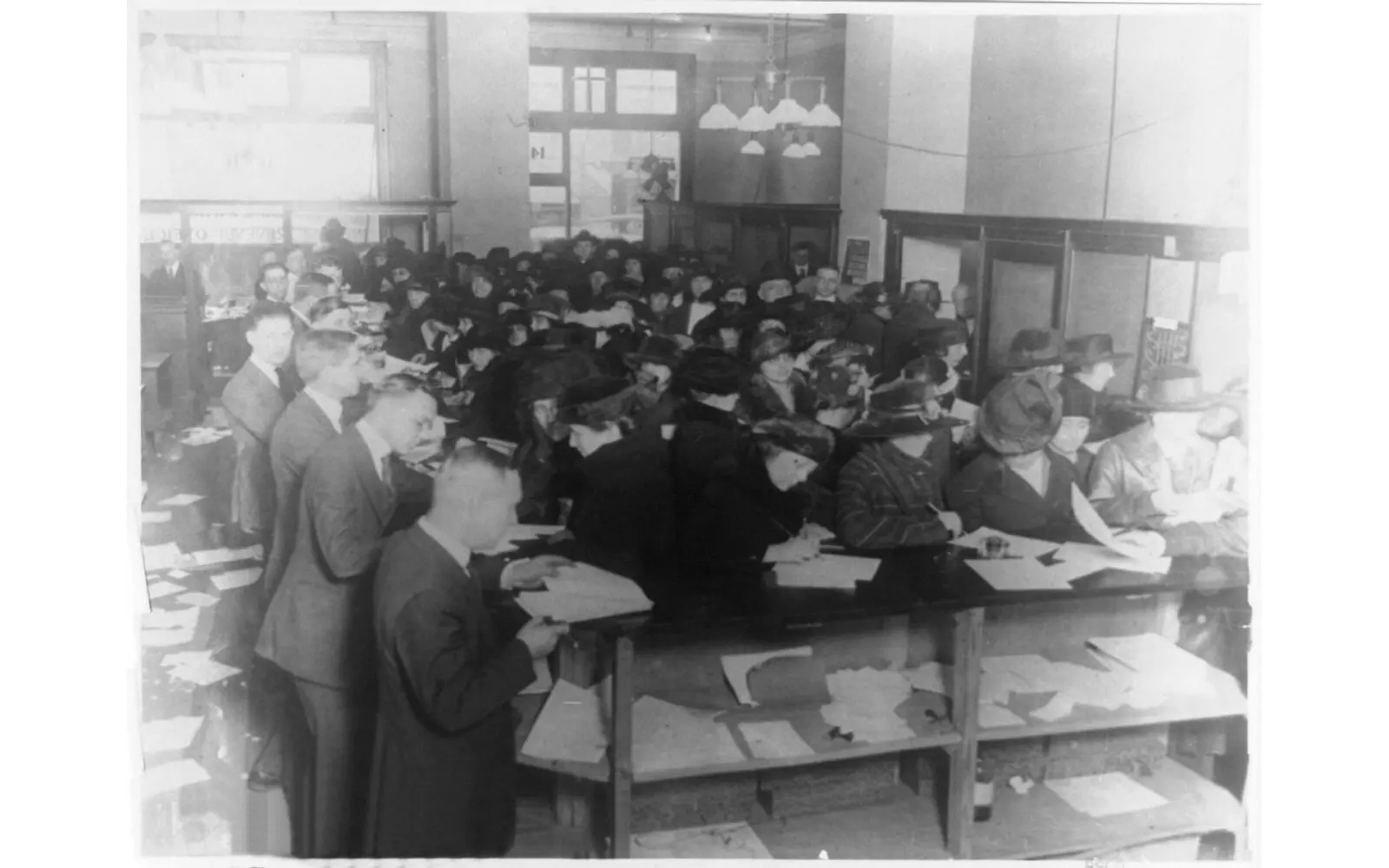
Archive note: This text comes from the old archive of Nomika Epilekta and is preserved with care for historical and informational reading.
The government, according to statements by its representatives, is struggling to deal with the country's difficult economic situation and clashes daily with all opposition parties, trying on its side to persuade that it follows the right policy, mainly in the field of taxation, while the opposition seeks to show that a different policy should have been followed, with tax relief and with burdens placed on those unknown persons who possess economic power.
The conflict among political forces and the quarrels are unceasing and are transmitted by the mass media, which color the various political statements sometimes with bright and sometimes with dark colors, depending on how much they want to stimulate the interest of readers, viewers or listeners, usually by predicting disaster and exaggerating. On television channels, needy people appear, protesting about the money they lost from taxation, about the reduction of their pension, about the time they must work until deep old age in order to join the armies of pensioners, about nonexistent medical and pharmaceutical care, about the high cost of basic necessities, about deficiencies in transport, about the educational system that does not provide school-leaving certificates and degrees without effort, about the lack of sewerage, about landfills, about unauthorized constructions that are not legalized immediately, about military service that has not yet been abolished, about starvation wages, about the church whose property has not been confiscated, and about countless other matters and problems that demand immediate solution by the state. Current and retired bankers, former general managers, presidents of credit institutions, Greek and foreign, representatives of merchants, craftsmen, industrialists and workers often appear in the mass media, always accompanied by the professionals of trade unionism, which constitutes an institution, a regime and an end in itself, as well as by professors of various specialties. All these have something to declare. Something to announce. Something to tell us, and they always reassure us, because our banks are strong thanks to the policy they followed all these years in favor of the national economy, with self-sacrifice and skill. Statements are also often made by competent and incompetent persons concerning our safe banking system, the guarantee of deposits and the banks’ contributions to the economy and to the prevention of economic collapse. Support for the economy is an achievement of our banks, which care for our good life (and not only for survival) and for our progress. And all these are in the foreground, while in the background completely different important things are happening. In the background, behind the scene created by the mass media, an undeclared war prevails. A real safari, with bankers and their followers as hunters and the banks’ debtors as prey. Those who owe from cards, from working-capital loans, from holiday loans, from housing loans, from repair loans, from study loans, from loans for treatment of illness, from consumer loans and from loans of every kind, name and object, some of which, although they have been repaid several times, continue to be owed to the banks because of the peculiar contracts signed by the debtors. Our banks, without any exception, demand the money they lent, with interest, expenses and various puzzling charges, because of which the initial capital becomes gigantic and, in order to be paid, requires the liquidation of all the debtor's property on earth as well as that in the heavens, that is, also intangible property assets, which are not sufficient to satisfy banking greed. The banks-hunters use in their safari against debtor-prey, usually the weak, unorganized and panicked “non-privileged” (as the well-known late figure of modern Greek socialism called them), specialists in “breaking” nerves, who belong to the euphemistically called “collection companies”, prominent lawyers of their organized legal departments and also of the close environment of the administration of bar associations, bailiffs specialized in modern executions (who have replaced executioners), and the entire state mechanism, which reinforces every banking effort to remove even the last property asset of the debtor. Until recently, courts of all levels and jurisdictions treated banks as sacred foundations (piae causae) and awarded them the corresponding respect. The banks always prevailed in judicial disputes. Even today, whoever dares to lay “sacrilegious hand” upon them is punished with non-convertible penalties, the main one being life imprisonment. Some court decisions, because of the public outcry against the banks, have begun timidly to vindicate some of the prey-debtors. We must not forget, however, that the judicial power, like all powers, always sides with the strong and rarely supports the weak, because it must apply the laws, and one of those is Darwin's law of natural selection: “The stronger prevails. The powerless dies and disappears”… Every day the banks’ debtors suffer the incessant, pressing, unlawful and rude annoyances of the banks’ legal departments and of the parasites called “collection companies”. They do not respect the debtors’ work, rest hours, private moments, nor of course summer holidays. The debtor is the prey that must be exterminated so that his property can be taken from him, and the hunters - bankers and collectors - achieve this. Faced with fear of public humiliation, many sell their homes at humiliating prices in order to respond to the banks’ demands, yielding to blackmail and pressure, but even then the loan is not repaid; it is renewed, nourished, made gigantic and extends its life to infinity, while the life of the prey-debtor becomes unlivable. Whoever wants to repay the loan before its maturity faces insurmountable difficulties and also public humiliation. Notices are served on him and he suffers annoyances and hardship, because the banks have an interest in the loan contract continuing so that they may reap excessive benefits. Therefore, every payment before the loan expires entails a limitation of the banks’ gigantic profitability, so the end sanctifies the means, and the means are obstacles, pressures and annoyances. After all, this is why the specialized employees exist - the hunters and the porters - partners in the safari. The company “Teiresias” supports the banking safari. It stigmatizes, files, humiliates, wrongs and destroys. A debtor for “Teiresias” is whoever has been entered on its list, not whoever owes. Many are presented by “Teiresias” as debtors while they did not owe or had repaid, because our legislation has turned this company into an uncontrolled filing service of economic beliefs. The power of the company “Teiresias” is recognized as absolute by all state organs. Yet resistance is being organized against the uncontrolled activity and the filing imposed on citizens. The resistance must become mass resistance so that justice and true economic freedom may prevail, which have nothing to do with files, oppression, lawlessness and injustices.


Comments
Share your thoughts about this article.
No comments yet. Be the first to comment.
Submit a comment