Archive note: This text comes from the old archive of Nomika Epilekta and is carefully preserved for historical and informational reading.
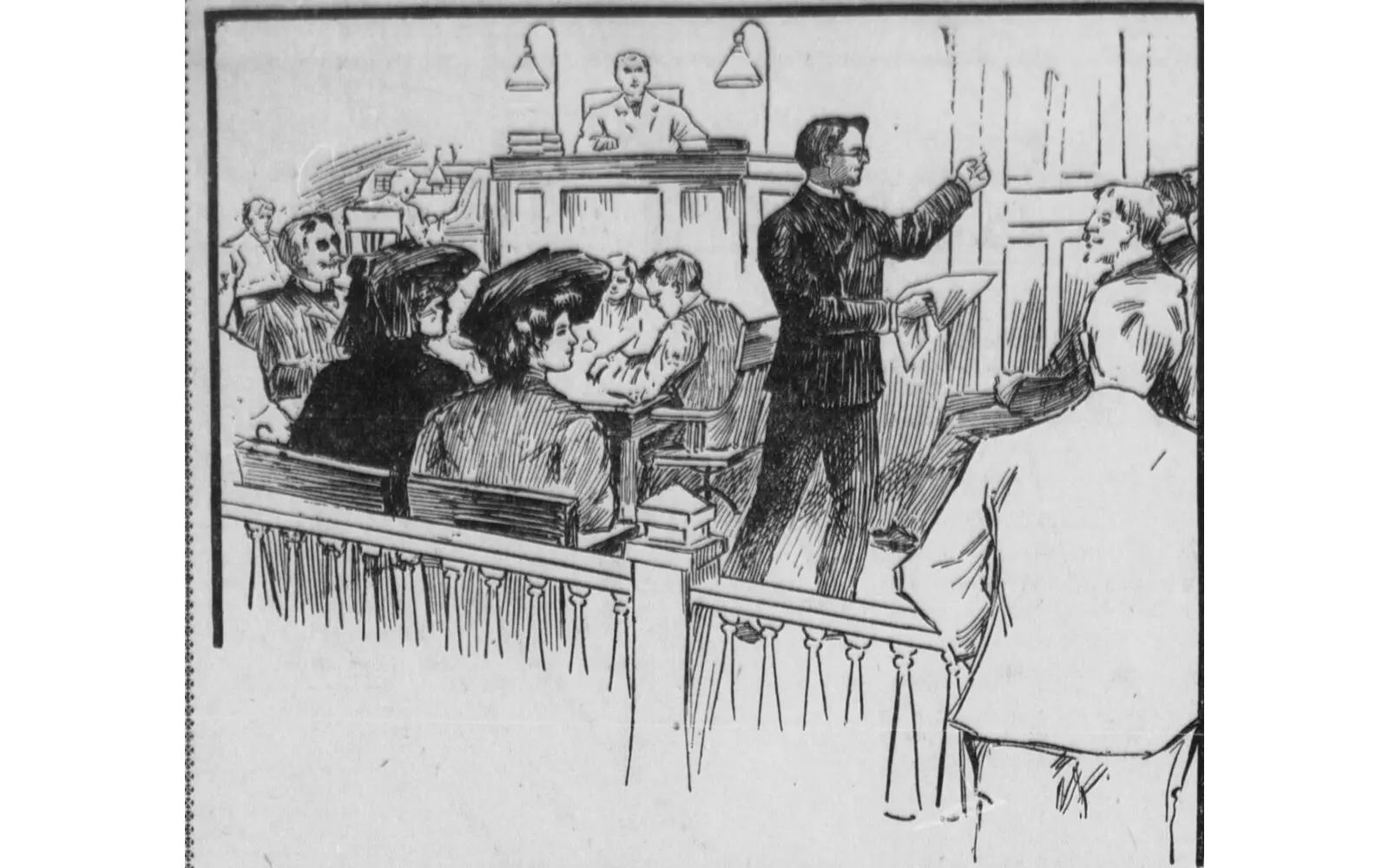
Anyone who follows trials systematically, whether because of his work or from personal interest, often wonders whether the judicial power truly expresses the sense of justice that is necessary for the healthy functioning of society.
While there is no doubt that our judges faithfully reflect a mentality of authority, there are serious doubts as to whether many of them truly possess just judgment. We recall that even if no other state power functions properly, the citizen needs to believe that judges are his last hope for the administration of justice. If judges function like everyone else, there is no hope.
We are not referring to parajudicial phenomena of corruption; after all, we want to believe that these are the exception rather than the rule. We are referring, however, to the daily exercise of the judicial function. The manner in which trials are conducted is worrying and does not appear to be at the level of European countries.
In this space, in the "ARTICLES" section, references will be posted regularly to various related phenomena, such as, for example, the manner in which the hearing process is conducted, with examples from examinations of witnesses and litigants drawn from reality, examples that speak for themselves. References will also be made to the content of decisions, which in the best case display a spirit of narrow bureaucratic attachment to the letter of various minor provisions, while often these decisions are governed by a draconian, excessively strict spirit, with a clear preference for deprivation of liberty over the alternative penalties proposed by the legislator.
What is missing is the spirit of leniency, the interpretation of the law within a less narrow and more legal, humanitarian and, why not, philosophical framework, a deeper penetration into the matter, something like the Law of Equity of Anglo-Saxon judges. Perhaps something like Solomonic justice, which is permeated by wisdom. The only thing that is not missing is an often authoritarian display of power, both toward the parties to the trial and toward the lawyers...

Comments
Share your thoughts about this article.
No comments yet. Be the first to comment.
Submit a comment