Archive note: This text comes from the older Nomika Epilekta archive and is preserved with editorial care for historical and informational reading.
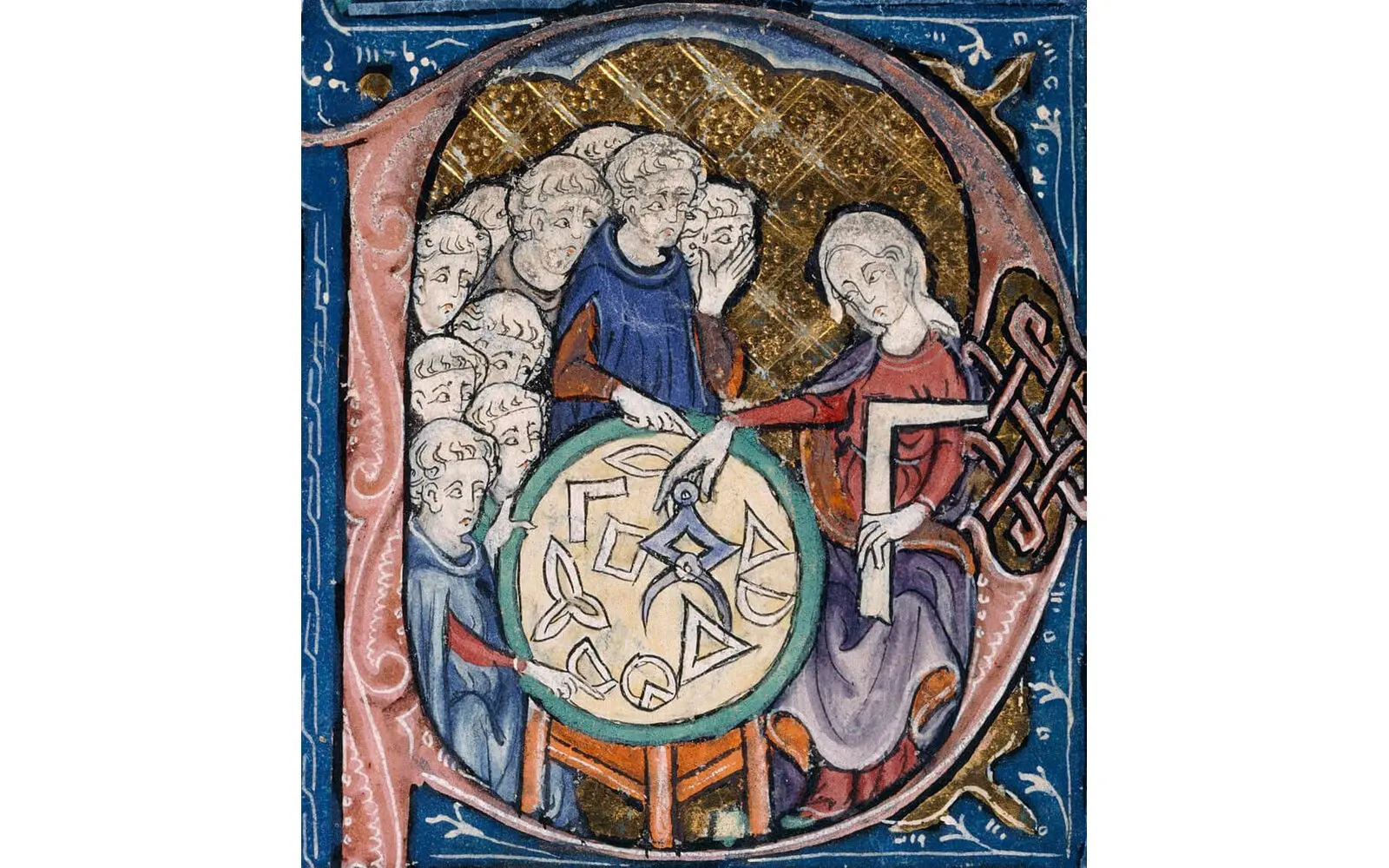
This is a particularly useful history book, with significant information on the condition of women during the Middle Ages and on their treatment by the so-called “strong sex”, according to the author’s inexhaustible historical knowledge combined with his ideology. The book remains topical today, because what women faced during the dark medieval period still threatens them, not only in Islamic and so-called “third-world countries”, but also, to a clearly lesser degree, in the enlightened West. A characteristic sample from the first chapter of the four-chapter book is the following: “In the early Christian period, the fatal confusions caused by the parallel teaching of a concealed ‘feminism’ of Jesus and a concealed misogyny of Paul tipped the scales in favor of the female sex, or rather, to be precise, in favor of tolerating the female sex” [p. 35]. Elsewhere the author writes, sarcastically, about the condition of women during that specific period: “What is the means a woman uses to seduce a man, at least in an uneducated society? Her natural beauty. Thus, female beauty was entered in the devil’s ledger and was harshly persecuted as ‘dangerous to those who see it’ - said Tertullian. For the same reason, the ancient Greek spirit was hated by Christians, since one of its constituent elements was the worship of natural beauty” [p. 45]. The author sets out the historical events and accompanies them, as a rule, with apt and persuasive points and observations, which make the work especially attractive and readable, offering the reader extensive information mainly about the actions of named women who, through their lives and initiatives, decisively influenced historical developments. A separate chapter is devoted to the well-known “witch hunt” of the Middle Ages, under the characteristic title “6. The hunt for ‘witches’ - a dreadful holocaust”, with the observation that “In all cities and villages, pyres were lit where mainly women, but also men, were burned by the thousands” [p. 171]. Then, through Byzantium and with special reference to love, marriage and divorce, the book concisely describes the condition of women in Islam [in the fourth chapter], setting out, as the conclusion of this major historical retrospective, the differences and similarities between medieval Islam and medieval Christianity, which are especially striking and equally useful to every scholar and friend of learning.


Comments
Share your thoughts about this article.
No comments yet. Be the first to comment.
Submit a comment